GREEN BERYL
Green Beryl: Color, Properties, Emerald Differences & Care
It is the green-colored variety of beryl that does not meet some trade definitions for emerald. It is a beryllium aluminum silicate, and green hues can be influenced by trace chromium, vanadium, iron, and their combinations. 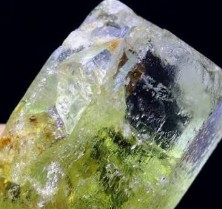
Table of Contents
Green Beryl Formation and Composition
It forms in geological environments where beryllium-bearing fluids or melts interact with suitable host rocks. It occurs in pegmatites, hydrothermal veins, and some metamorphic settings. Trace-element chemistry varies between deposits and influences color.
Green Beryl Appearance and Properties
It has a hexagonal crystal system, vitreous luster, and Mohs hardness around 7.5–8. It can range from pale yellow-green to stronger green. Emerald is also beryl, but the trade distinction usually depends on accepted color conventions; these conventions can vary by market and laboratory.
Identification and Collecting
Green color alone does not determine whether a stone should be called emerald or green beryl. Gemological testing can identify the species and investigate coloring elements, treatments, and sometimes geographic origin. Do not assume origin from appearance alone; preserve laboratory reports and provenance records.
Green Beryl Care
Clean suitable specimines with lukewarm water, mild soap, and a soft brush. Avoid ultrasonic or steam cleaning if fractures, treatments, or setting weaknesses are present. Store separately from harder gems and protect from sharp impacts.
Frequently Asked Questions
Can color alone confirm the identification?
No. Color overlaps among minerals and gem materials. Reliable identification may require physical testing, chemical analysis, or documented locality information.
How should specimens be stored?
Keep specimens protected from impacts and separated from harder materials that may scratch or chip them. Retain labels and locality records.
Further Reading & Sources
- Mindat — mineral data and locality references.
- Handbook of Mineralogy — technical descriptions.
- Gemological Institute of America — gem education where relevant.
- Reference article — further background.